Executive coaching for CEOs and senior leaders, from an operator who has held the seat.
Scale without losing the team you built.
I work with leaders and companies at inflection points: executives stepping into bigger seats, teams that stopped scaling, and CEOs who know the next chapter needs different moves than the last one. If the bigger seat is still an interview away, start with how to prepare for an executive interview.
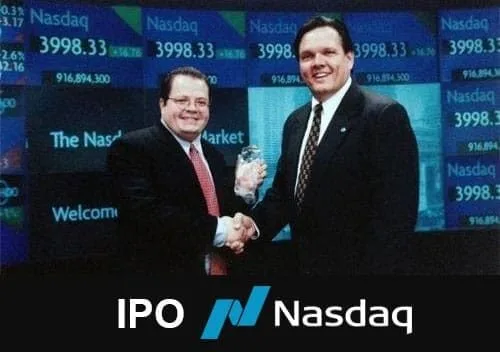
Coaching from someone who has held the seat: founder and CEO through a Nasdaq IPO, a $250M budget at Cox Automotive, and New Relic from $300M to $500M. ICF and CEC certified. A practical, candid thought partner: on the business, and on the person running it.
Most executive coaches have studied the job. I have done it.
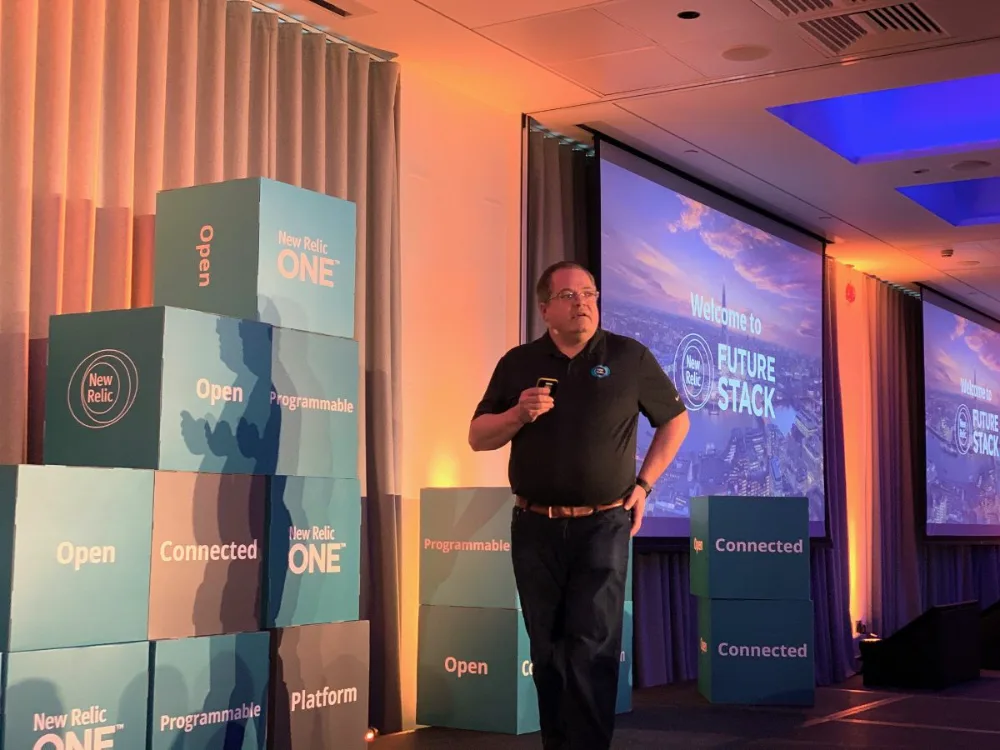
There is a kind of pressure that only shows up at the top: when the number is public, the board is watching, and the people who got you here are the ones now struggling. I have been in that chair. I founded Interland, scaled it to $200M ARR and took it public on Nasdaq. I ran a $250M budget across a multi-brand cloud transformation at Cox Automotive. I grew New Relic from $300M to $500M leading 450 people across four countries. I worked through 35 mergers and 18 exits.
Everyone around a CEO has an objective. The board, the investors, the banker, the CFO, the peer who wanted your seat: most of them are good people, but each has a filter shaped by their own goals and worldview. I have sat in the seat and sometimes forgot that, and often those very same people, the company, and I paid for it. That is the pattern I now watch for on your behalf. What I bring that nobody else in the room can is a single objective: the goal you named in calibration. The company may pay for the engagement; the agenda is yours, and what you say in the room stays in the room.
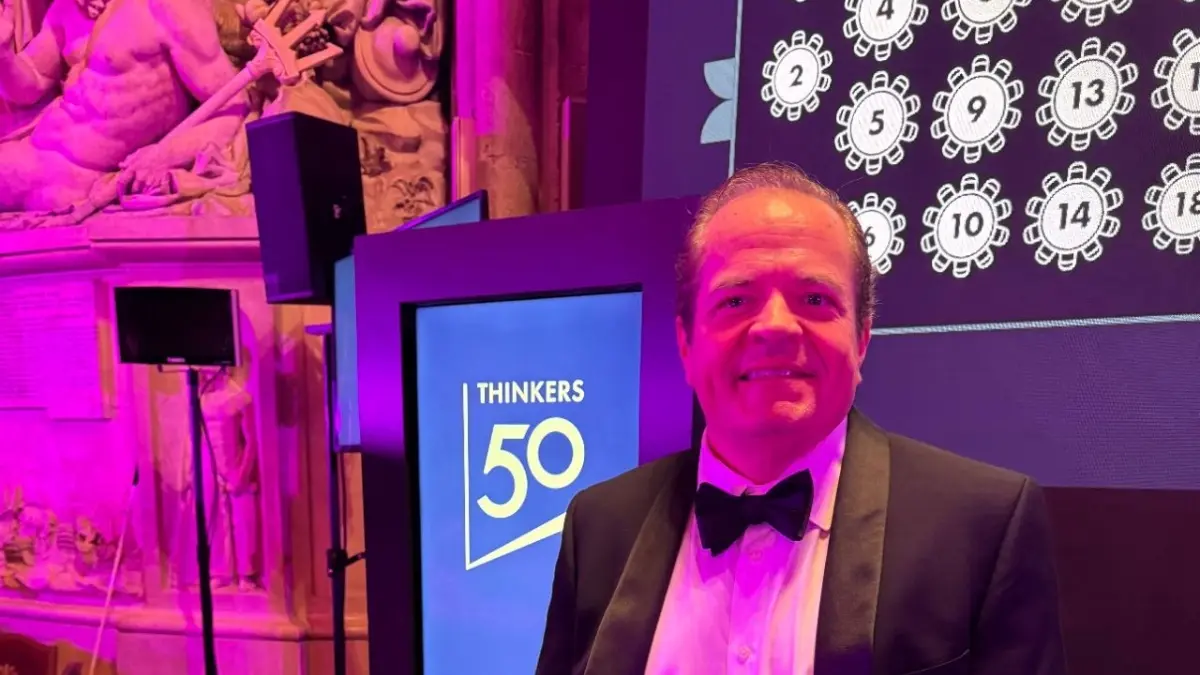
I am also a certified coach, trained, with a BS in Psychology, Summa Cum Laude, a CMHC master’s underway, ICF and CEC certifications, and co-author of Business Breakthrough 3.0, an Amazon bestseller. Since 2020 I have coached hundreds of executives and founders. The training is current, not just credentialed. That pairing, the operator and the trained coach, is the point: we can talk about the operating model and the person running it in the same conversation, without translating between the two.
Across 25+ years I have founded and taken a company public on Nasdaq, run budgets and P&Ls from $50M to $250M, and been part of 35+ M&A transactions, with exits returning up to 90x. I have sat in every seat my clients sit in, as a public-company CEO and senior executive, and as an operator in venture-backed startups, a unicorn, PE-backed companies and turnarounds.
As COO I cut burn in half without gutting morale, revamped the go-to-market motion, and merged it with FireHydrant. The board’s alternative was a down round or a fire sale.
Leaders I have worked with, names withheld: CEOs, COOs, CPOs, CTOs and GMs, and the leaders one level below being built for those seats, from a first board meeting to a turnaround. Among them: a VP of Technology left holding the transformation after a PE sponsor replaced his CTO, a GM who wanted the CEO seat and had never owned a P&L, a founder choosing between the next round and a sale, a CEO whose product, engineering and go-to-market leaders each had a defensible plan and none of them matched, a new executive managing up to a board for the first time, a portfolio company’s new leadership team that had not operated at this scale, and a mid-market CEO who wanted AI built into the business rather than talked about.
First person, not near it.
You are not looking for someone who has read about your job. Executive presence: I have presented to top VCs, taken a company through an IPO roadshow, been interviewed on CNN and CNBC, and keynoted customer events around the globe. Stakeholder management: boards, PE operating partners, and the other side of the table across 35 M&A transactions. Organizational effectiveness: transformations driven at four companies in a row. Strategic product and business calls: made from the CPO, CTO, GM, and CEO seats, with my name on the result.
Whatever is on your list, I have done it first, which is how your learning curve gets shorter.
The seats, and the credentials
The problems that do not fit on a slide.
Leading through transition
A new seat, a new mandate, or an organisation that has changed underneath you. The work is getting to clarity fast enough to act, without pretending to a certainty you do not have. That includes first-time CEOs, new mandates, and leaders stepping up from GM or COO into a bigger seat.
The team that worked at the last size
The people who got you here are often the ones struggling now. That is rarely a talent problem and almost always a structure and expectation problem, and it is fixable.
Stakeholder management and executive presence
The board, the investors, the peers who wanted your seat: managing up and across is its own discipline, and it decides more careers than operating skill does. Presence is not performance. It is being the clearest person in a room that needs a decision. When presence is the whole brief, there is an eight-week executive presence bootcamp, with a fixed fee and a presentation project for one room.
Accountability that does not backfire
Held wrong, accountability makes decisions worse. Held right (on reasoning rather than outcome, agreed before the decision, on a team where it is safe to tell the truth), it sharpens everything.
Alignment across the leadership team
When product, engineering and go-to-market each have a defensible version of the plan and none of them match. Translating strategy into an operating rhythm people can actually run.
The human side of change
The org chart is almost never the real problem. Seeing the patterns that built the company and now limit it, in the team and in yourself, so the change actually holds.
Leadership team coaching
Working with the whole leadership team: alignment on the plan, an operating rhythm that holds, decision rights that are clear, and a room where it is safe to tell the truth. When what the team needs is a single facilitated room, that is a session I run separately. The signs a team needs it, and what the work covers, are in executive team coaching: when your leadership team needs it. For how each leader on that team coaches their own people, see coaching as a leader.
Balance, when you want it in scope
If you want to stay focused on executive execution, that is the work, and I have it. Some clients also want to think about the balance around the job: family, health, the hobbies that make the effort worth it. Not as a separate project, but because they know a leader with those in order shows up as their best self, in the room and at home. When you want that in scope, we put it in scope. When you do not, we stay on the business.
Coaching for founders and startup CEOs.
I did not start with money. There was a stretch in my twenties when the car was close to being repossessed and the rent was behind. Three years later the company I founded, Interland, was on its way to $200 million in revenue, 650 people, and a Nasdaq IPO.
So when I coach founders, this is not theory. I have lived the first hires, the first board, the quarter the model broke, and the merger that turned Interland into Web.com. I know what it feels like when the company starts to outgrow the way you have always done it, and the next version of you is running late.
That is the work: growing the founder as fast as the company. Naming what only you can do, hiring for the rest, and building the operating rhythm that lets you lead instead of firefight.
If you are a founder, a startup CEO, or scaling past the team you started with, this is coaching from someone who has stood where you are standing.
Venture and private equity firms and family offices bring me in for their portfolio companies: one-to-one coaching for founders, CEOs and the executives around them; workshops on the problems founders bring to every board meeting; mentor cohorts grouped by stage; and leadership-team sessions after a round, a merger or a leadership change.
Executive Coaching Profile for Founders, CEOs and Investors (PDF)
The Three Rs of Lasting Change
Most coaching produces insight. Insight does not survive contact with a real quarter. What makes change hold is a repeatable structure, and after twenty-five years of running transformations I have only ever seen three things matter.
Right Formula
What actually needs to change, named precisely. Most transformations fail here, solving for the thing that is easiest to describe rather than the thing that is true.
Right Tactics
How it gets done, in this organisation, with these people. The same formula executed two ways produces two different companies.
Repeatable Actions
The rhythm that keeps the machine humming long after the transformation is finished, and long after I am gone. This is the one everybody skips.
Four steps, no mystery.
Discovery call
A straight conversation about what is actually going on, and whether I am the right person for it. No pitch.
Calibration
We agree what success looks like and how we will know we got there: before the work starts, not after.
Standing coaching calls
Weekly, bi-weekly, or monthly, on video or in person: the cadence and the mix are set in calibration. Real decisions in front of you, not hypotheticals from a workbook.
Ad hoc access
The hard things do not wait for the calendar. When something lands, you can reach me.
What the calls work on, in practice:
- the decision in front of you this quarter, not a hypothetical from a workbook
- the board meeting, and the person walking into it
- the team that worked at the last size, and the structure and expectations that have not caught up
- managing up and across: the board, the investors, the peers who wanted your seat
- the operating rhythm that lets you lead instead of firefight
- the balance around the job, when you put it in scope
Based in Alpharetta. In person across Atlanta metro. Remote everywhere.
Based in Alpharetta, Georgia. I work remotely with leaders everywhere, and on-site when the work calls for it: offsites, working sessions, and engagements anywhere in the country. Atlanta metro in person is easy: see Atlanta. Leaders in Nashville: see Nashville. In Dallas: see Dallas. In Austin: see Austin. In Charlotte: see Charlotte. In New York City: see New York City. In San Francisco: see San Francisco. In Miami: see Miami. In Chicago: see Chicago. In Boston: see Boston. In Washington, DC: see Washington, DC. At home in Alpharetta: see Alpharetta. (629) 304-8755 · ken@kengavranovic.com
Most of my clients are company-funded.
Organisations invest in the leaders they intend to keep, and coaching at this level is normally a line item rather than a personal expense. I have sat on the other side of that request, as the executive deciding whether to approve it. If you need to make that case internally, I will help you build it.
Engagements are scoped to the leader and the mandate, not a rate card. I work on a monthly retainer, not a per-session fee. Five things set the number: who is being coached, the cadence and the access between calls, the length, remote or in person, and who is paying. Month to month; cancel with 30 days’ notice; no annual contract.
If you would be paying yourself, say so on the call. Depending on the situation and the fit I take some of those engagements, and we shape the scope around it. It is how I give back to the next generation of leaders.
By the end of the discovery call you will have a scope and a number. What the market charges, and what sets it: How Much Does Executive Coaching Cost in 2026?
If you are a board member, an investor or an operating partner arranging coaching for a leader you have backed or placed: the leader chooses the coach, the goals are agreed with the leader in calibration, and what you see is the cadence and progress against those goals, not the content of the sessions. Start with a call about the seat and the situation. If I am not the right fit for the leader, I will say so.
Five leaders, five inflection points.
Names and companies withheld. The situations are real.
The PE reboot
Transition · performanceA VP of Technology at a PE-backed company watched his CTO get replaced and was left holding the transformation. High-risk moment. Most people in that seat either flame out or get flattened by the new sponsor’s playbook. We worked on how he showed up with the PE operating partners, and instead of surviving the reboot he ran it. He launched the company’s AI transformation, and when the dust settled he wasn’t just still standing; he’d cemented his value with a bigger mandate than he had before the reboot.
The GM who became CEO
Career advancementA GM at a public unicorn wanted the CEO seat but had never truly owned a P&L. We built a plan to get him real P&L scar tissue inside his current role instead of waiting for a title change. When the next opportunity came, he wasn’t interviewing on potential. He landed the CEO role.
The CPTO cleanup
Performance · retentionA CPTO walked into a company that had just fired both its CTO and CPO for non-performance. That is usually a 12-month crater: attrition spikes, roadmap freezes, sales loses air cover. His first move was retention. We identified the must-keep people, and instead of reassuring them with platitudes he laid out the plan forward and gave them a real hand in shaping it. They didn’t just stay, they bought in. Every must-keep person held, and his teams shipped more valuable features in his first six months than the prior three years combined.
The $10B innovation restart
Team · enterprise scaleA private $10 billion company had scale, brand, and cash, and couldn’t ship anything new. The team that got them to $10B wasn’t the team that could take them further. The leader landed in October. By January the right team was in place. By May they were hitting the company’s new accelerated timeline. Seven months from standing start to delivering at a pace the company had never asked of anyone before.
The AI-anxious CEO
AI · productivityA mid-market CEO knew AI was going to either help his business or hurt it, and he did not want to find out which by waiting. He did not need a conference talk. He needed someone who had actually built this stuff. We built the plan together, automated the repetitive work first, and executed. Productivity went up, and for the first time the company could respond to market shifts as fast as they happened instead of chasing them.
From the people who worked with him.
Working with Ken is genuinely trajectory changing. … Ken isn’t interested in telling you what you want to hear. He challenges your thinking, holds you accountable to results, and holds himself to the same high standards.
He brought a rare mix of focused execution, operational rigor, and infectious positivity. He drove alignment and morale even as we reduced burn by 50%. His leadership during our acquisition was steady, thoughtful, and deeply collaborative.
I have watched Ken boost the output of software teams, raise hiring standards, and transform behavior by example. Every conversation with Ken leaves you inspired.
Ken came into a very broken business and guided the team to a path that led to our acquisition with FireHydrant. He clearly steered the ship during times of uncertainty.
As COO, Ken led with clarity and focus, revamping our GTM motion, cutting burn significantly, and driving cross-functional alignment across Product, Sales, and Operations.
Ken led our $160M+ cloud, engineering, and DevOps modernization across a $3B+ portfolio. He brought clarity, velocity, and accountability to every initiative.
Ken is one of the most effective technology leaders I have worked with. He sees the whole business and what needs to be done at the broadest level.
The ones people actually ask.
How does executive coaching actually work?
We start with a discovery call to see whether this is the right fit. If it is, we run calibration meetings to agree what success looks like and how we will measure it. From there it is bi-weekly coaching calls, plus ad hoc access when something urgent lands between sessions.
Who do you work with?
Senior operators: CEOs, COOs, CPOs, CTOs and GMs, and the leaders one level below being built for those seats. The common thread is scale and pressure: growth outrunning the operating model, a transition, a turnaround, stakeholder management and executive presence in a bigger seat, or a team that worked at one size and does not at the next.
What makes your coaching different?
Most executive coaches have studied leadership. I have done the job. I founded a company and took it public on Nasdaq, ran a $250M budget at Cox Automotive, grew New Relic from $300M to $500M, and worked through 35 M&As and 18 exits. I am also an ICF and CEC certified coach. That combination means we can talk about the board meeting and the person walking into it in the same hour.
Will you push back?
Yes, where a mentor would nod. The one objective I hold is the goal you named in calibration, so when a plan or a story does not square with it I say so, in the room, with my reasoning. You still own the decision, and if after one real conversation nothing I said was new to you, I will tell you I am the wrong coach.
How much does an executive coach cost, and what determines it?
Published market rates run from the low hundreds an hour to $10,000 a month on retainer and $5,000 to $60,000 for a full engagement; the ranges and their sources are in the cost guide. Mine is scoped to the leader and the mandate: who is coached, cadence and access, length, remote or in person, and who pays. Most of my clients are funded by their organisation, and I help build that case; I have approved these requests as the executive on the other side.
Are executive coaches worth it?
Worth it when the measure is agreed before the work starts, and that is how I run it. We set what success looks like in the calibration meetings, then hold the work against it. The value shows up in the decisions you make between sessions. And if we cannot name a change worth the fee, I will tell you that on the discovery call.
How long is a typical engagement?
Long enough for the change to hold: most engagements run three to six months, month to month, and some run longer. Coaching that stops at insight does not survive contact with a real quarter, so the work runs in months rather than weeks and is built around repeatable actions you keep after we finish.
When is the right time to start, and is six months in too late?
When the trigger is a new seat, the best time is before it changes hands or in the first ninety days, while the relationships and the operating rhythm are still being set; six months in is not too late, because by then the mandate is clearer and the pattern that needs to change has shown itself. When the trigger is the company outgrowing the operating model, the team or your own role, the time is when you notice it, not the quarter after. Either way we begin with the discovery call and calibration, and the cadence is set to where you are.
What is the time commitment?
Calls of about an hour, weekly, bi-weekly, or monthly, on video or in person: we set the cadence and the mix in calibration. Beyond the calls, whatever preparation the work in front of you deserves. It is designed to fit around an operating role, not compete with it.
How do you measure whether it worked?
We agree that in the calibration meetings, before the work starts. Sometimes it is a business number. More often it is something like whether the leadership team can now disagree in the room instead of afterwards in the corridor.
How confidential is it, and what does my company see?
Completely. If your organisation is funding the engagement they will know it is happening and may want to agree the goals up front, but what is said in a session stays in the session. What the sponsor sees is that the calls are happening and whether the work is on track against the goals agreed in calibration; the content stays between us.
What about balance?
I am not a life coach, and this is not life coaching. The work is executive execution. Some clients also want to think about the balance around it: family, health, the hobbies that keep them whole. I am trained for that conversation, and I have lived the version where the company got everything and the family got what was left. Proper balance is how you show up as your best self, in the boardroom and at the dinner table. You set the scope, and either way it stays confidential.
What does an executive coach actually do?
Good coaching is structured thinking with consequences. We name the real problem, decide what you will do about it, and hold the follow-through against outcomes, not activity. The value shows up in the decisions you make between sessions.
How do I choose an executive coach?
Ask three things. Has this person operated at the level you are playing at? Are they certified and actually trained, not just experienced? And after one real conversation, did you hear something true you had not said out loud yet? Chemistry matters; proof matters more. All six questions, with my answers, are in How to Choose an Executive Coach: The Six Questions to Ask.
Coach, mentor, or consultant: which do I need?
A mentor shares their path. A consultant hands you an answer. A coach builds your own judgment until the answers are yours. My background lets us move between all three in one conversation, but the default is coaching: you own the outcome. And when it is consulting you need, that practice lives here.
Where are you based, and do you work in person?
Alpharetta, Georgia. I work remotely with leaders everywhere, and on-site anywhere when the work calls for it. Atlanta metro in person is easy. For leaders elsewhere, New York and San Francisco included, sessions mix and match: standing calls on video, and I fly in when the engagement books time for it. On-site and remote in whatever blend the work needs, with travel scoped into the engagement.
Do you coach executives near Alpharetta, or in Atlanta?
Yes. I am based in Alpharetta, and in-person coaching across the Atlanta metro is easy. Leaders everywhere else work with me remotely, and in-person time gets scoped in when the engagement calls for it.
Lead when the role gets more complicated.
Think through stakeholder expectations, board conversations and the decisions that get harder as responsibility grows.
Free, twice a month, for CEOs and senior leaders. One operating problem, useful evidence and a practical next step. Topics rotate across leadership, strategy, offsites and AI.
Confirm your email to subscribe. Unsubscribe anytime.
Read now: the five questions I ask in the first thirty days of a stalled transformation.
Start with a conversation.
Forty-five minutes, no pressure, no pitch. We work out whether there is something here worth doing, and if there is not I will tell you.
Or reach me directly:
(629) 304-8755
ken@kengavranovic.com