AI consultant in Atlanta, from someone who has built with it.
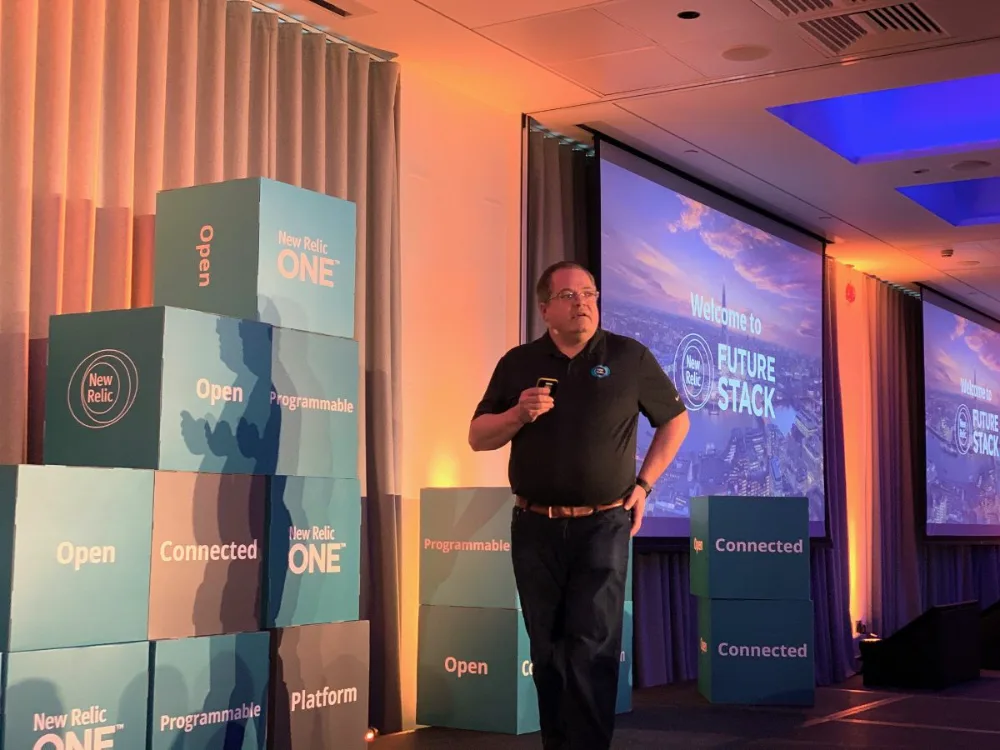
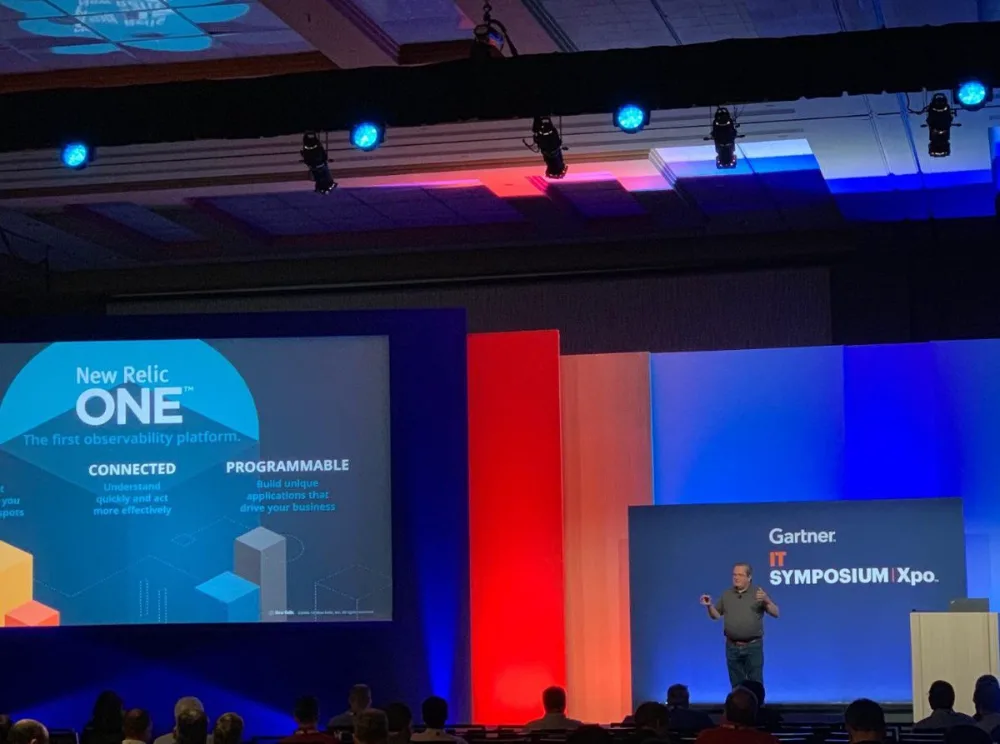
I work with CEOs, boards and operating partners across the Atlanta metro on one question: where AI pays in this business, and how to get it into production with an owner and a number. I have built with it. As CEO of Product Genius I built and launched an AI engagement platform, as COO of Blameless I shipped a generative AI product used by Fortune 500 engineering teams, and at New Relic I launched New Relic AI. I still work at the bottom of the stack too: I run two inference servers of my own, so the advice tracks what the models can do this quarter, not what they could do last year.
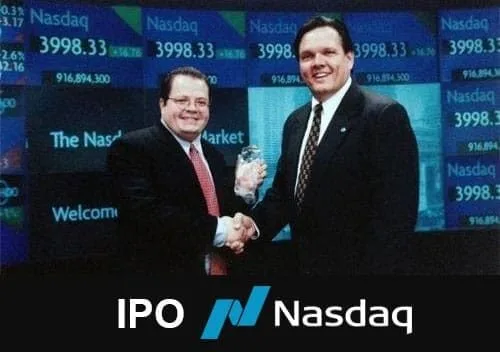
I also built a company here. I founded the company that became Web.com in Atlanta and took it public on Nasdaq, and I led the cloud transformation inside Cox Automotive. Most of my AI work runs nationally. For Atlanta companies the workshops and working sessions can happen across a table, with Zoom between them.
The AI questions on the table in Atlanta.
Atlanta’s payments, logistics and healthcare companies, and the corporate offices beside them, are under the same pressure for an AI answer. The decisions leaders here bring me cluster in six places.
An AI answer for the board
The board wants a plan, the pilots work in the demo, and nothing has reached production. The answer is a ranked list of workloads with a number behind each, and the first one live inside a quarter. The board version is in the AI answer your board actually wants.
Which workloads pay first
Service, support, claims, billing and the back office: the flows your people re-type day after day. My rule is that any process you can model can be mostly automated, with the exceptions routed to a named person. The roadmap ranks the candidates by cost and confidence.
Pilots stuck in the demo
A pilot has no owner and no exception path. The fix is to put the workload into production at a defined share of volume, route the exceptions to a person, and measure the share of volume that no longer touches a human queue.
The AI bill keeps growing
Licenses and agents bought last year, a bill that keeps climbing, and no one who can say what it returned. Mapping the workloads honestly has cut spend by 80 percent on some, with frontier models moved off work smaller models handle.
Governance before the data goes in
Payments, healthcare and logistics data carry rules. Before a model touches customer, financial or employee data, one person owns three documents: which models run on what data, what each one may read, and a log of what it decided.
A sponsor’s plan on a clock
An operating partner with a value creation plan that names AI. One win found in one portfolio company, put into production and repeated across the others, measured in EBITDA inside the hold period. More on AI consulting for private equity.
Someone who has done the work, not a team that has studied it.
A consulting team brings a partner to the pitch and analysts to the work. Here the person who scopes it is the person in the room, building with your people and accountable for the result. The difference is not only the shape. It is what stands behind it.
The boardroom and the server room
I have sat in the boardroom as a CEO, a public-company founder and a Managing Partner, and built AI products as a CEO, a COO and a platform GM. I also run two inference servers of my own and work hands on with the models and how they are trained. The board-level call and the technical call get made by the same person, so nothing is lost in translation.
Hands on, with your people
The person on the scoping call is the person who builds it with your team, deployed inside your own systems. You are not paying for juniors to learn your business, and the capability stays when I leave.
Your data stays yours
Your data stays inside the systems you already control, and a model reads what the access rule permits and no more. One person in your company owns the record of which models run, on what, and what they decided.
No vendor in the room
I sell no software and take nothing from a vendor. If I ever advise a company I would recommend to you, I say so first.
A number the CFO can audit
Per workload: the share of volume that no longer touches a human queue, times what a unit of it cost before, against a baseline measured before the switch. Adoption is counted in volume, not in licenses or logins.
Three shapes of engagement, in person in Atlanta.
We pick the shape together on the scoping call, and it can change as the work does.
AI Assessment
A fixed-fee assessment of where AI pays in your business, ending in a written plan you can run with me, run yourself, or shelve. A small business, under 50 people, takes two weeks, remote with one session in person in the Atlanta metro, from $3,500. A mid-market company, 50 people up to $1B in revenue, or any PE-backed company, takes four weeks at $15,000 per company. An enterprise is quoted after the scoping call. The fee credits in full toward an Adoption Sprint that starts within 90 days.
AI Adoption Sprint
One or two workloads into production inside one quarter, with owners, dates and a baseline measured before the switch is thrown. Your people build the muscle, and the first win funds the next one.
Fractional AI leadership
A fractional Chief AI Officer: executive ownership of the AI agenda across a company or a portfolio, on a monthly retainer, with a monthly line to the board or the operating partner, until someone inside passes the test or the right talent is hired.
What the assessment answers
- Where does AI pay in this business, ranked, with a number on each workload?
- Is the data ready: where does it live, and who owns it?
- Can the systems take it, and what has to connect to what?
- Which processes can be modeled, at what volume and unit cost, and where do the exceptions go?
- Are the people ready, and who owns each workload after I leave?
- What are the risks: governance, compliance and security?
- Build, buy or skip, and which vendors, if any?
- What is AI already costing you, in tools and spend without an owner?
- What happens in the next 90 days, and what does the board hear?
The output is a ranked plan, not a maturity score. The forty-five minute scoping call before it is free.
This metro is where I built a company.
I moved to Atlanta in 1997, rented the 14th floor at 34 Peachtree, and built the company that became Web.com: from nothing to a Nasdaq IPO, then through the merger of two public companies. The enterprise transformation on my record happened here too: the cloud and DevOps transformation inside Cox Automotive, kicked off across the table from AWS’s Andy Jassy.
The outcome I point to most is a small one on purpose. A CEO with $25M in revenue asked how to use AI without an enterprise budget. We skipped the platform conversation and automated the flows his team re-typed day after day, and a one-time $50,000 investment took $250,000 of annual cost out. That is the shape of the work: the boring wins first, with a number on each.
The seats, not the theory

In the press
Featured in CNN, CNBC, The Wall Street Journal, Forbes, Wired, Fast Company and the Atlanta Business Chronicle. See the coverage.
AI consulting in Atlanta: the questions people actually ask.
Do you work in person in Atlanta?
Yes. Workshops, working sessions and the board or operating-partner cadence in person across the Atlanta metro, at your office or in your boardroom, with Zoom between them when that is easier. My office is north of the city, so in-town meetings are easy.
What does an AI consultant actually do?
An AI consultant separates where AI pays in your business from where it does not yet. That means mapping real workloads, putting a number on each, and getting the first wins to production. The difference between AI consultants is what stands behind the map. Mine is having built and shipped AI products as an operator.
What does AI consulting cost?
The first step has a published price. The AI Assessment is from $3,500 for a small business under 50 people, $15,000 per company for a mid-market or PE-backed company, and quoted for an enterprise, and the fee credits in full toward an Adoption Sprint that starts within 90 days. The sprint carries a project fee with owners and dates, and fractional AI leadership is priced like the operating commitment it is. The forty-five minute scoping call before any of it is free, and the first workload is chosen so the savings are visible against the fee.
Are you a firm, or one person?
One person, by design. The person on the scoping call is the person in the room and the person accountable for the result. Where the work needs more hands, your own team does it with me, which is how the capability stays in the company after I leave.
How is this different from the big firms’ Atlanta AI practices?
Firms staff AI projects with people who have studied the technology. I have built with it: an AI platform launched as CEO, a generative AI product shipped to Fortune 500 teams, two inference servers I run myself, and daily hands-on work with the current models. If you want a hundred-page strategy, hire the firm. If you want workloads in production and a smaller bill, we should talk.
Do you work with PE-backed and founder-led companies in Atlanta?
Yes: AI diligence on targets, post-close AI value creation plans, portfolio-wide workload sweeps and exit readiness, for the sponsor and for the company. I spent a decade as a Managing Partner on the investing side, so the EBITDA lens is native, not adopted.
How long does it take?
The AI Assessment takes two weeks for a small business and four for a mid-market company. An adoption sprint puts one or two workloads into production inside one quarter, with owners and dates. Fractional AI leadership is an ongoing seat. Data readiness is what adds time, which is why the assessment asks the data question first, before a date is set.
Do you work with companies outside Atlanta?
Yes. Most of my AI work runs nationally, remotely and on-site. The Atlanta difference is that the in-person sessions are a short drive.
Bring me one workload, or the whole portfolio.
Forty-five minutes, no pressure, no pitch. Bring the AI question that is actually on your desk, and we will work out together whether you need a roadmap, a sprint or a seat, and whether I am the right one. In person in Atlanta or on Zoom.
- Send the note, or book the call if you would rather pick a time.
- Forty-five minutes, on video or across a table in the metro.
- A scope and a number if it makes sense to work together, and a straight no if it does not.
Or reach me directly:
(629) 304-8755
ken@kengavranovic.com
- AI consultingThe national practice: roadmap, sprint or fractional seat.
- AI consulting in AlpharettaHome base at North Point, and North Fulton in person.
- Strategy consulting in AtlantaGrowth, integrating a deal, the stalled transformation.
- Executive coaching in AtlantaCoaching for CEOs, founders and senior executives across the metro.
- The AI answer your board wantsThe board-facing version of the plan.