Executive presence coaching for senior leaders, from an operator who has held the room.
I coach senior leaders on how they are read in the rooms that decide what people think of them: the board meeting, the investor update, the executive meeting where your number is challenged, the budget ask, the customer keynote and the all-hands. Gravitas under pressure, the point first, the room held, and being seen as the executive rather than the expert.
I have stood where you will stand. I presented to the New Relic board as the EVP, ran a company through an IPO roadshow, raised $50M-plus from Microsoft and Verizon, gave the global keynote at FutureStack and 50-plus keynotes at events such as AWS re:Invent and the Gartner IT Symposium, led the customer advisory boards, and was interviewed on CNN and CNBC.
So I know what the people in the room are doing while you present, because I have sat on their side of the table too: as the CEO, the board member and the investor.
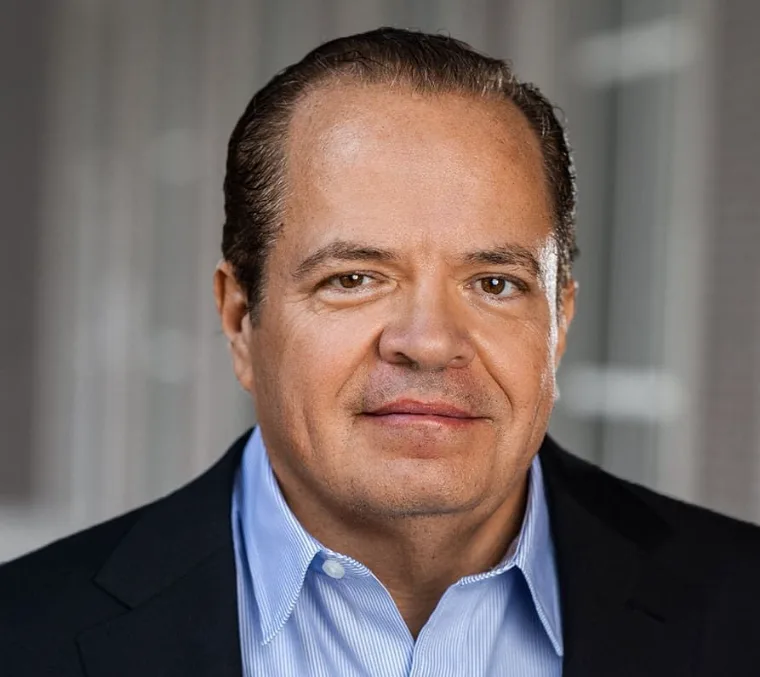
Capable leaders who are read wrong in the rooms that matter.
The CTO, CPO, COO, VP or general manager one level below the CEO, and the CEO who now answers to a board. You are strong on the work and know it. What you are told, or notice, is something else: not heard in senior rooms, read as uncertain when you are not, the forecast you built over three weeks trimmed in the room because the CFO frowned, the ask made smaller than you need so it does not start a fight. Sometimes the note is the opposite: too intense for the room. Either way, the bigger role goes to the leader who is read as ready for it.
Also the company that sponsors you. Organisations coach the leaders they intend to keep, and the leader who will present to the board next quarter is exactly the case they fund. The goals are agreed with you; what the sponsor sees is the cadence and progress, not the content.
Not charisma. Not polish. What the room concludes about your judgment.
Executive presence is what a room of people with power decides about you in the first minute and the hard minute: whether you are prepared, whether you believe your own number, whether you will tell them the truth when it is inconvenient, and whether you can hold a position without defending it to death. It is not the suit, the voice or the slide template, and it is not performing a version of yourself. It is the quiet signal that you are grounded, prepared and worth listening to.
It is tested in pressure, not in rehearsal. You rehearsed the board update, knew the numbers, answered the tough question three times in the car. Then a director asked it in a sharper tone and you heard yourself over-explaining, conceding a point you did not need to concede, glancing at the CEO for permission. That gap, between the prep session and the room, is the whole job.
It can be built. The pages that rank on this subject say so, and the training houses sell it as a course. The difference here is who is coaching it: not someone who has studied the boardroom, but someone who has presented in it, been the director asking the question, and been the investor deciding what the answer was worth.
Six skills, worked against the rooms on your calendar.
Executive presence is what the room concludes about you. These are the six things it weighs, worked in the order your rooms need them, against the real rooms rather than a curriculum.
Gravitas under pressure
Composure when the stakes are high is what the people in the room weigh most. The number you hold while the CFO frowns, the pushback you take without conceding, hedging or over-explaining, the reflex that fires when a director sharpens the tone. A position held and a decision made, calmly, with the room watching. We find the moment your presence breaks, build something short and specific to do in that window, and rehearse it against the next real room.
The point first, then stop
Senior rooms are short on time and read hedging as doubt. The decision, the risk or the ask in the first sentence, the evidence behind it when they want it, and the qualifiers, filler and background cut. Succinct and direct, in the board update, the pre-read, the executive meeting and the hallway.
Commanding the room
How you enter, how you open, how you hold a silence, how you close. Voice, pace and posture, across a table and on camera. Not a performance, and at the executive level often less rather than more: the question instead of the proof, the pause instead of the fifth point, so that when you do speak the room pays attention.
Seen as strategic, not tactical
Capable leaders get read as the expert rather than the executive: strong on the work, quiet in the senior room, speaking the language of the function. We move you to the altitude of the business, from what to so what, so the room hears judgment rather than detail.
Influence without authority
The executive table is where you need decisions you do not control. Reading the room, who decides and what they are protecting, the conversations before the meeting, the ask as a plain statement with a reason and a date, and hearing no without retreating.
Credibility with the board and senior stakeholders
Trust at that level is built on saying the inconvenient thing early, no surprises, and answering the hard question in one clear sentence. I have been the director asking it and the investor deciding what the answer was worth; we rehearse the questions your room will ask until the short answer is the one that comes out.
A bootcamp for the role, or a project for one room.
Both run on video from wherever you are, on the same calibration and the same confidentiality. The difference is the clock: the bootcamp builds the six skills in eight weeks, against the rooms you will keep walking into; the project gets one room right by its date.
The executive presence bootcamp: eight weeks, $5,000
For the capable leader who is being read wrong in senior rooms, or whose seat now includes the board, the investors or the executive table for the first time. A fixed fee of $5,000, one-on-one on video, a weekly hour for eight weeks and access between calls. The weeks are set out below: a baseline on how you are read, then the six skills, each worked against a real room on your calendar with rehearsal and direct feedback before it and a debrief after, then a read-back. When a date demands it and my calendar allows, the eight weeks compress into fewer.
The presentation project: one room, one outcome, $1,495
For the board meeting, the investor update, the keynote or the all-hands that is already on the calendar. $1,495 per project, up to eight one-hour sessions on video in the weeks before the date, used as needed: the message and the ask, the deck as a decision document, the hardest questions rehearsed with feedback, the routine for the hour before, and a debrief after the room. Not a slide designer and not a delivery coach; an operator who has given this presentation and judged it from the other side of the table.
The eight weeks
Baseline: how you are read today
The rooms on your calendar for the quarter and what "needs more presence" means in your case: the moment, the behaviour, and who noticed. When you want it, I hear it directly from two or three people whose read of you matters. You present your next update to me on camera as you would today. When the company pays, its goals go in writing.
The point first, then stop
Your next real update stripped to the decision, the risk or the ask in the first sentence, with the hedges, the filler and the background cut. Rehearsed, delivered in the room, debriefed.
Gravitas under pressure
Where your presence breaks: the number challenged, the plan called unrealistic, the sharper tone. I push the way a CFO or a director would, and we build the short, specific thing you do in that window until it holds under pressure.
Commanding the room
How you enter, open, hold a silence and close. Voice, pace, posture, and the same on camera. Recorded, reviewed together, and taken into the next real room.
Seen as strategic, not tactical
Your next executive meeting prepared at the altitude of the business: from what to so what, in the language of the company rather than the function. Speaking up where you have been quiet, and being heard.
Influence without authority
Who decides the next thing you need, what they are protecting, and the conversations before the meeting. The ask built as a plain statement with a reason and a date, and practised against a no.
Credibility with the board
The hardest questions your room will ask, one clear sentence each, and the inconvenient thing said early. A full rehearsal of your nearest real room, recorded and reviewed against week one.
The read-back and the plan
What held, what moved, and what you keep working on your own. When you want it, the same people as week one tell me how you are read now. You leave with a ninety-day plan for the rooms ahead, because the room changes its mind about you more slowly than you change, and the plan keeps the evidence coming.
By the end of the bootcamp you will be confident that you can:
- hold your ground when the CEO, the CFO or a director pushes back, without conceding, hedging or over-explaining
- make the point first and stop, in the board update, the executive meeting and the hallway
- walk into a senior room and be read as the executive rather than the expert, and as ready for the bigger role
- speak at the altitude of the business, so the room hears judgment rather than detail
- influence a decision you do not control, before the meeting and in it, and make the ask as a plain statement
- hold a room from a stage or a camera as steadily as across a table
What you leave with
- A read on how you are heard, before and after, from the people whose read of you matters
- Your baseline and your final rehearsal on video, so the change is visible rather than claimed
- Your own playbook: the hedges you cut, your one-sentence answers to the hard questions, and your routine for the hour before a room
- A ninety-day plan for the rooms ahead
If you are not sure which fits, say so on the call. Most leaders who start with one room come back for the bootcamp; some only need the room.
Why a coach who has presented in the room, and sat on the other side of it.
Most executive presence coaches have studied the boardroom; the training houses teach it as a course. I have been the executive presenting to the board, the CEO running the roadshow, the keynote speaker in rooms of hundreds around the world, and the operator interviewed on CNN and CNBC on the morning two public companies merged. I have also been the other side: the board member reading the deck, the investor deciding what the forecast was worth, and the CEO a general manager had to convince. I know which questions are coming because I have asked them.
I am also a certified coach, trained, with a BS in Psychology, Summa Cum Laude, a CMHC master’s underway, ICF and CEC certifications, and co-author of Business Breakthrough 3.0, an Amazon bestseller. Since 2020 I have coached hundreds of executives and founders. So the work on the number and the work on the person holding it happen in the same hour, and I push back where a mentor would nod.
Four steps, no mystery.
Discovery call. Forty-five minutes on video, no pitch: which rooms are ahead of you, what happened in the last one, and whether I am the right person for it.
Calibration. We agree what success looks like in the rooms on your calendar and how we will both know, before the work starts; when the company is paying, its goals are agreed up front and in writing. No instrument unless one would help; if stakeholder interviews would tell us how you are being heard, we run them first.
Standing calls and rehearsal. Weekly on the bootcamp, as needed on the project, on video or in person: each call works a skill against the next real room, with rehearsal and direct feedback. Video when it helps; the camera is honest.
Access between calls, and the debrief. The hard things do not wait for the calendar, and the night before the board meeting is when the question arrives. After the room, a debrief: what held, what moved, what we work on next. More on the approach on the executive coaching page.
The ones people actually ask.
What is executive presence?
What a room of people with power concludes about your judgment: whether you are prepared, whether you believe your own number, whether you will say the inconvenient thing, and whether you can hold a position calmly when it is challenged. It is shown in how you open, how you answer the hard question and how you close, and it is tested under pressure rather than in rehearsal.
Is executive presence about appearance or communication?
Communication and composure, mostly. Appearance is a filter: get it wrong and it distracts; get it right and no one notices. The substance is the point you lead with, the number you hold, the question you answer in one sentence, and the ask you make without a pre-loaded apology.
Can executive presence be learned?
Yes. It is a set of behaviours, not a personality, and the behaviours are specific enough to rehearse: lead with the decision, state the number and stop, answer the hard question short, name the ask. What makes it hold under pressure is practising it against real rooms with direct feedback, which is what the coaching is.
Why do I lose my presence when I am challenged in a meeting?
Because a hard question from someone with power over your future registers as a threat before you have time to think, and the reflex votes for the safer move: concede, hedge, soften, wait. The fix is not a better spreadsheet. It is recognising the moment the reflex fires and having something short and specific to do in that window. That is the work.
How is this different from a presentation coach or a communication coach?
A delivery coach works on voice, pace, posture and slides, and that helps. This works on the moment the delivery coach cannot reach: when your presence holds in rehearsal and breaks in the room. It is coached by someone who has presented to the board, run the roadshow and given the keynote, and who has been the director asking the question.
What is the difference between the bootcamp and the project?
The bootcamp is eight weeks for the role, a fixed $5,000: a weekly hour on video, a baseline on how you are read, the six skills worked in order against the rooms on your calendar, a read-back and a ninety-day plan. The project is one room by its date: $1,495, up to eight one-hour sessions as needed, the message, the deck, the hard questions and the hour before. Same calls, same confidentiality; a different clock.
How long does executive presence coaching take?
The bootcamp is eight weeks, compressed into fewer when a date demands it and my calendar allows; most leaders see the first room go differently inside the first three weeks, because we work on the next real room rather than on theory. The room itself updates more slowly: people who have read you one way for two years need to see the new behaviour several times before their view moves, which is what the ninety-day plan is for. The project runs the weeks between the call and the date. If the role keeps adding rooms, some leaders continue month to month afterwards.
What outcomes should I expect?
The ones we agree in calibration, against your rooms: the board stops relitigating the plan; the forecast you presented is the forecast you are held to, not a trimmed one; the ask is granted or declined on its merits rather than its delivery; the executive meeting goes the way you planned it. The early sign is the first hard question you answer in one sentence and then stop.
Will you push back?
Yes, where a mentor would nod. The one objective I hold is the goal you named in calibration, so when a deck, a number or an answer does not square with it I say so, in the room, with my reasoning, and then we rehearse it again. You still own the decision.
Is it confidential, and what does my company see?
Yes. What is said in a session stays in the session. If the company pays, it knows the coaching is happening and may agree the goals up front; what it sees is the cadence and progress against those goals, not the content.
Can my company pay for it?
Usually, and usually it offers. A leader who will present to the board, the investors or the company next quarter is exactly the case leadership budgets fund. If you need help making the case, that is the first conversation.
Do you work remotely, and do you coach the technology seats?
Standing calls run on video with leaders anywhere, and I work in person when the room calls for it. The seats I have held are technology seats, so the CTO, CPO, VP of Engineering and IT director presenting a technology decision to a non-technical board is ground I know from both chairs; the rooms are the same for any senior leader. I am based in Alpharetta, Georgia.
Tell me about the room.
A short note is enough: which room, when it is, and what happened in the last one. The board, the investors, the keynote, the all-hands, the executive meeting. I read every note myself. If you would rather talk, book a discovery call.
Or reach me directly:
(629) 304-8755
ken@kengavranovic.com