Executive interview coaching for the interview, the search and the offer.
If you have:
- an interview on the calendar, with the topics sent in advance;
- a confidential search, where you interview well but keep losing in the final round;
- or a good role, and an opportunity you are weighing,
then, if my schedule allows, I work one on one with a few leaders at a time to get them ready: the stories, the search, and the offer, including the equity, the options and the full compensation package.
One package · $995 · Runs until you are ready · Free 45-minute discovery call
“Working with Ken is genuinely trajectory changing. He brings a wealth of real world experience, having truly been there and done that, and offers the kind of straightforward, no nonsense guidance that’s increasingly hard to find.
Ken isn’t interested in telling you what you want to hear. He challenges your thinking, holds you accountable to results, and holds himself to the same high standards. His investment in your success is genuine, and it shows.
I’ve often described working with Ken as being shot out of a cannon. The clarity, confidence, and momentum he helps create can fundamentally change the direction of your career.
I’m incredibly grateful for his mentorship and couldn’t recommend him more highly to anyone serious about growing as a leader.”
A few leaders at a time, if we fit.
I work one on one with a few leaders at a time, so the free call is where we both decide. We work on your problem for 45 minutes, and I am listening for three things. This page is not linked from the menu or the home page. You found it by reading the guides, and that already tells me something: you do the work. That means managers, directors, vice presidents and C-level leaders, and anyone stepping into a first big role; if the interview matters to you, it qualifies.
You are a growth-minded leader. You want the next seat, and you want to be better in it, not only to get through this interview.
You will do the work. Between sessions you build the stories, practice the hard version out loud and make the edits yourself. I review and push; you do the work.
This is a career I would want to be part of as it advances. The leaders I take on are ones I expect to work with again, in bigger seats. If I do not think I can help, I will tell you on the call.
This is not how I make my living. Companies pay me hundreds an hour, or thousands a month, for the same kind of work. This package exists because the leader early in the climb, paying out of pocket for an interview that matters, is the one I most want to help, and often the one I end up working with again years later. It runs until you are ready.
I have hired thousands of people. This is what I listen for.
When I hire, I listen for three things. Did they do the work they are claiming, or were they near the person who did? I look for the details and facts that prove it. Did they answer the question I asked? And did they have stories that showed they had the skills the role needed?
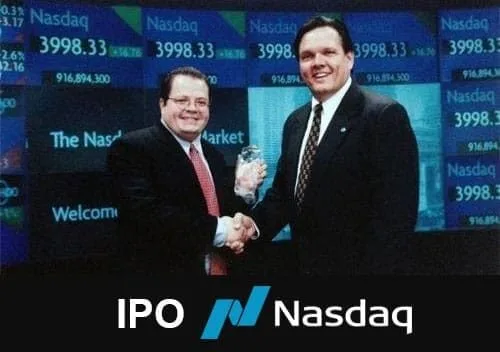
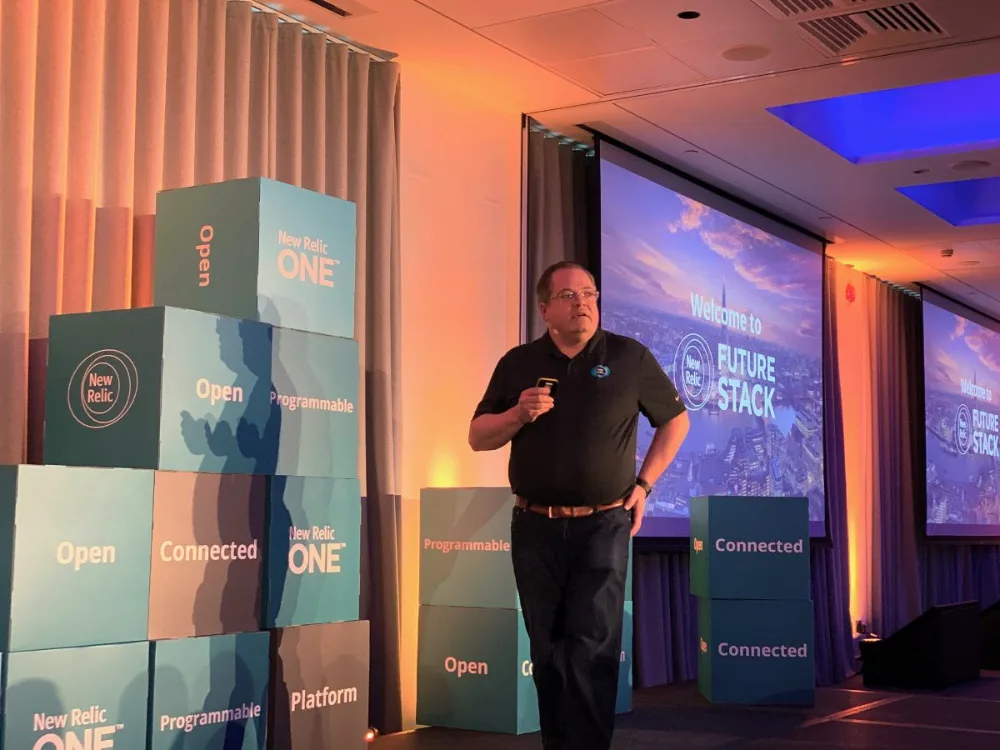
I have sat in the seats you are interviewing for: VP at Cox Automotive, EVP at New Relic, COO in a VC-backed turnaround, and founder and CEO of a company I took public on Nasdaq. I also spent a decade as a managing partner at a venture firm, so I have seen an equity offer from every side: the founder granting it, the investor and board member pricing it, and the acquirer buying it out.
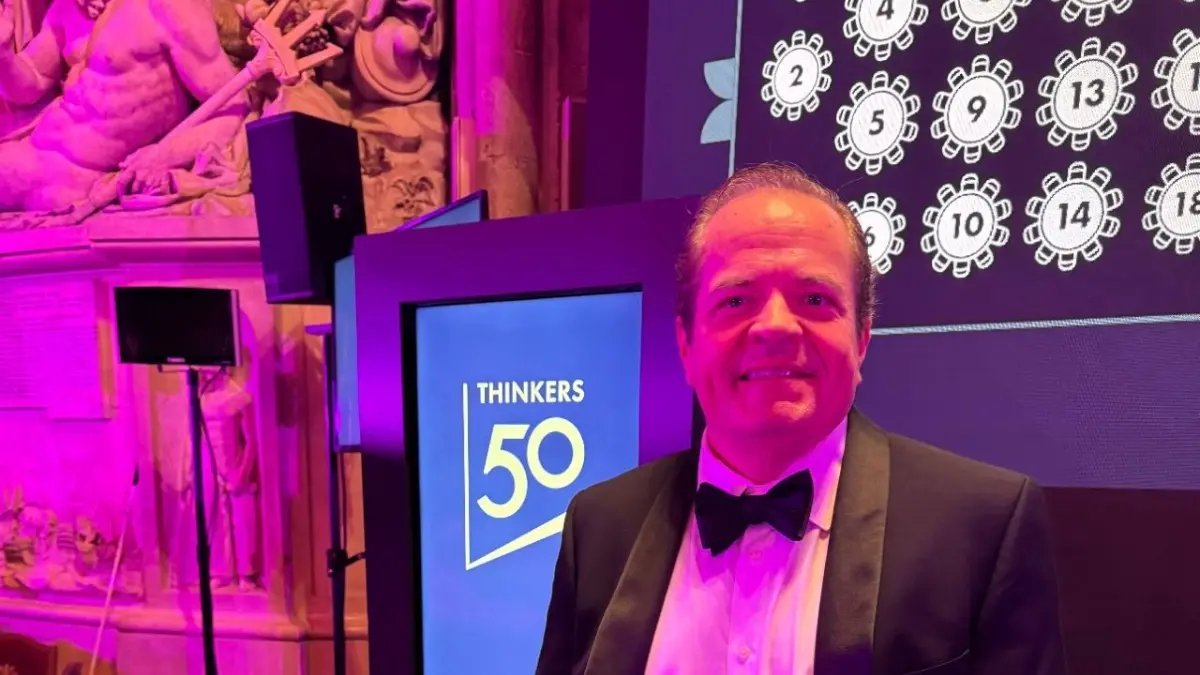
The leaders I prepare are often running technology or operations: IT directors and VPs facing a modernization question, CIO and CTO candidates facing a CEO and a board, engineering leaders stepping up, and COOs and general managers interviewing with the CEO they would work for. I am also an ICF and CEC certified coach, with a BS in Psychology, Summa Cum Laude.
The seats, and the credentials

Why most interview prep fails at the executive level.
Everyone in the final round is qualified
By the last rounds they assume you can do the job. What they are deciding is who they trust with it. Answers that prove competence, however polished, do not separate you from the other finalists.
They are testing judgment
A panel at this level listens to how you think about their problem and weigh the trade-offs, not whether you know the textbook answer. The method is in how to prepare for an executive interview.
You will meet many people, some more than once
The recruiter, the hiring executive, peers, your future team, and for senior roles often the CEO more than once. Your stories have to hold up the third time, told to someone probing a different angle.
Someone already has a relationship with them
Senior roles often go to people the company already knows: an internal candidate, a former colleague, a referral. You need to be in front of the right people early, and to show in the room why you belong.
They will push, on purpose
The sharper follow-up, the gap in your resume, the decision that went wrong. Senior interviews test how you handle pressure, and rehearsing alone trains the easy version of the conversation.
The offer is its own negotiation
Base, equity, options, bonus, scope, title. At this level the terms are worth as much attention as the interviews, and more than one person decides them.
Five mistakes that cost strong candidates the offer.
Answering the example you prepared instead of the question they asked. The most common one. Find the question under the question first.
Telling your career instead of one story. One situation, with the decision you made and the number that moved, beats a summary of ten years.
Saying "we" when they need to hear "I". They are hiring you, not your old team. They need to know what you decided.
Memorized answers. They sound fine at your pace and break when the question comes back in a sharper tone.
No real questions back. "What is the culture like?" tells them nothing about you. A question about the problem behind the role does.
Three starting points, one package.
We start wherever you are, inside one package.
The interview on your calendar
When the company sends its topics, you know the exam. We find the question under each one, build three or four stories with your decisions and numbers in them, and role-play the hard version, asked the way you fear it will be asked, until the answers hold.
The search that stalls in the final round
We review your LinkedIn profile and resume together, around results rather than activity, and build an outreach plan to the executives, hiring managers and recruiters who matter, with access to a substantial professional database. If the search is confidential, we start with the approaches that carry the least risk and bring recruiters in last, because recruiters talk.
The offer, or the move you are weighing
Bring every offer before you answer it: the base, the equity and the options, and the other terms. And if you have a good role and an opportunity in front of you, we work through whether the move is right at all.
What you leave with:
- three or four stories you can tell under pressure, each with your decision and the number in it
- a talk track for the topics they sent you, and the question under each one
- a LinkedIn profile and resume you have sharpened and can defend line by line
- a search and outreach plan, ordered by confidentiality risk
- every offer reviewed before you answer it, and a decision you can stand behind
One package, $995, for as long as it takes.
Paid once. It runs until you are ready: your profile and resume are where they should be, your search plan is clear, and your stories hold up in the room.
Companies usually pay for my coaching. This package is priced for a leader paying out of pocket. Published interview coaching packages run from $799 for three sessions to $5,975 for eight.
This is coaching and practical advice from someone who has sat on every side of the table. It is not legal, tax or investment advice. You make the decisions, and you own the outcomes.
The questions people ask before a big interview.
What does an executive interview coach do?
Gets you ready for the conversation that decides your next role. With me that means finding the question under each question they will ask, building three or four stories with numbers you can tell under pressure, role-playing the hard ones, and, if you need it, the positioning, the search and the offer around the interview.
How do I book?
Send a note from this page, or book the free 45-minute call on the booking page. On the call we work on your problem, and if it is a fit, you receive the coaching agreement and the invoice for $995 by email. Your first session is scheduled right away, and you can move it to fit your calendar. After that, we set the next sessions in advance, or you book them on the booking page.
Do I have to qualify?
We both decide, on the call. I take on a few leaders at a time, so while we work on your problem I am listening for three things: you want to grow, not only to pass this interview; you will do the work between sessions; and yours is a career I expect to be part of as it advances. If I do not think I can help, I will say so on the call and point you somewhere better.
My interview is in a few days. Is that enough time?
Yes, if we start with the interview. We take the topics they sent you, map one story to each, and role-play the questions you are most worried about. The positioning and search work can follow after.
How many interviews should I expect for a senior role?
More than earlier in your career, and with more people: the recruiter, HR, the hiring executive, peers, sometimes your future team, and for the most senior roles board members or investors. Expect to meet the decision maker more than once, and prepare stories that hold up when each of them probes a different angle.
Is it normal to be nervous before a senior interview?
Yes. Most leaders have not interviewed in years, and nobody practices it at work. Nerves speed you up; slowing down and rehearsing the hard version out loud is what fixes it.
I keep reaching final rounds without an offer. What is going wrong?
Usually not your experience. It is most often one of the first three mistakes above: the prepared example instead of the question asked, a career summary instead of one story, or "we" where the panel needed "I". All three can be fixed with practice under pressure.
Can you help me evaluate an offer, including equity?
Yes. Bring the offer before you answer it and we will go through the base, the equity, the options and the other terms. It is practical advice, not legal, tax or investment advice, and the decision is yours.
Do you write my resume or LinkedIn profile?
No. We review them together, I tell you what to change and why, and you make the edits, so the profile sounds like you and you can defend every line in the interview. If you want them written for you, hire a resume writer and we will review their draft the same way.
Is this confidential?
Yes. Nothing you tell me goes to your employer or anyone else. If your search is confidential, we start with the approaches that carry the least risk: your profile and positioning first, then targeted outreach, and recruiters only when you are ready for the word to travel.
Do you only work with executives?
No. I work with leaders at every step of the climb: managers, directors, vice presidents and C-level leaders, and anyone stepping into a first big role. If the interview matters to you, it qualifies.
How much does executive interview coaching cost?
Here, $995 for the package, for as long as it takes, paid after the free call when we agree to work together. It is priced for a leader paying out of pocket. Published packages elsewhere run from $799 for three sessions to $5,975 for eight.
I can prepare on my own. Why a coach?
You can, and the method is free on this site. What a coach adds is the hard version: someone who has hired thousands of people asking the question the way the panel will, and telling you plainly when the answer does not land.
Start with a short note.
A short note is enough: the interview on your calendar, the search you are in, or the move you are weighing. I read every note myself. If you would rather talk, book a free discovery call.
Or reach me directly:
(629) 304-8755
ken@kengavranovic.com