A career coach for women in tech who has hired thousands of people and held the seats you are aiming for.
I coach women in tech (senior managers, directors, VPs and executives in engineering, product, data and AI) on the career itself. Some want the next level where they are. Some are weighing a move. Some are already interviewing. The work underneath is the same: getting read by the people who decide at the level you have earned.
I have hired thousands of people across the globe in my career. I was the VP of Engineering at Cox Automotive, with more than 1,000 engineers, led a 450-person product and engineering organization at New Relic, and took the company I founded to a Nasdaq IPO as CEO. I started as co-founder and CTO of WIPC.NET in 1995.
So I know what the person deciding is listening for, in a promotion review or across an interview table, because I have been that person.
I am also an ICF and CEC certified coach. Since 2021 I have coached over a hundred executives and founders.

Common things we work on with women in tech thinking about what is next.
- You are not sure whether the next level is here or somewhere else.
- You have been told you are ready, and the promotion still has not come.
- Your internal title means nothing to someone outside the company.
- Your profile reads like the engineer who built the system, not the leader who ran the team.
- Recruiters call about roles a level or two below your last one.
- You hesitate to claim the bigger title, because it does not sound like you.
- Your network went quiet while you were heads down delivering.
- An offer, inside or outside, has the title and not the authority.
The experience is there. It is being read a size smaller than it is.
Ken Gavranovic, AGS, LLC
A practical, candid thought partner who has held the seat.
Founder and CEO through a Nasdaq IPO. EVP at New Relic, VP at Cox Automotive, COO in a VC-backed turnaround. 35+ M&A transactions, 18 exits.
ICF Certified Coach and Certified Executive Coach (CEC). In practice since 2021.
BS in Psychology, Summa Cum Laude. Member, APA, ACA and LPCA.
Women in tech deciding what is next, whether or not they are looking.
You do not have to be in a job search. Most are in one of four places: the director or senior manager who wants the next level and is working out whether her company will give it to her; the leader who is content where she is and wants a plan for the next two or three years; the leader whose last move looked like a step down on paper though the scope grew; and the executive who has decided to move. If you are searching while employed, it stays confidential.
Why a strong record still gets read low.
Women leaders are less open to a move, and score themselves lower. In a survey of C-level and next-generation leaders, 60% of the men said they were open to a career move, against 49% of the women. In the same research nearly 70% of the men said they could do their manager's job if the manager left, and 50% of the women did.1 In a promotion case or in a search, the work is closing that gap on paper and in the room.
What the person deciding is listening for. I have hired thousands of people across the globe in my career. The questions in my head were the same each time: did they do the work they are claiming, or were they near the person who did? Did they answer the question asked? Did they have stories with the details and facts to support them?
How career coaching for women in tech works.
It starts with the decision, not with the resume.
1. Decide: grow here, or move.
Before anything else: which seat you want, and whether the company you are in will give it to you. We look at who decides, what they have seen of your work, and how long it is reasonable to give it. Some leaders finish this step and stay.
2. If you stay: build the case for the next level.
A promotion is decided by people with more influence than your manager. We work on who knows your work firsthand, the business terms you give them for it, and the sponsor who speaks for you in the review. The seat side of that work is on the executive coaching for women in tech page.
3. If you move: get read at the right level.
Your headline, summary and resume say what you led, what you owned and what it did for the business, ahead of the tools and certificates. We list the recruiters and people in your network to reach, each with a reason to call. In interviews you answer the question behind the question and separate your decisions from your engineers'. The questions panels ask are in engineering leader interview questions and CIO and CTO interview questions.
4. The offer or the promotion: title, authority and pay.
Title, level, scope, who you report to and what you actually control. A title without the authority puts you back where you started. Then the salary negotiation: pay and equity, against the published figures for your seat: VP of Engineering, CTO, Director of Engineering.
5. The first 90 days in the new seat.
New company or new level, the first 90 days set how you are read. Agree on what success looks like with the people you now serve, then deliver against it, with your executive presence intact under the hard question.
What does working together look like?
We meet one on one every other week on video. Bring what is in front of you: the promotion conversation next month, the profile you are revising, the interview on Tuesday or the offer you are weighing. We work on it together and agree on what you will do next.
Why a tech career coach who has done the deciding.
Most career coaches have helped people apply. I have been the executive deciding the promotion, the hiring manager across the table, the CEO approving the offer and the investor asking who runs engineering.
I built engineering and product organizations at a startup, a public company and an 80-year-old enterprise, and hired and promoted at each level in them. I have held VP of Engineering, CTO, CPO, COO and CEO seats, so I can tell you what each conversation is really deciding.
You do the work: the edits are yours and the stories are yours. I tell you what the other side of the table sees, and I push back where a mentor would nod.
The seats, not the theory
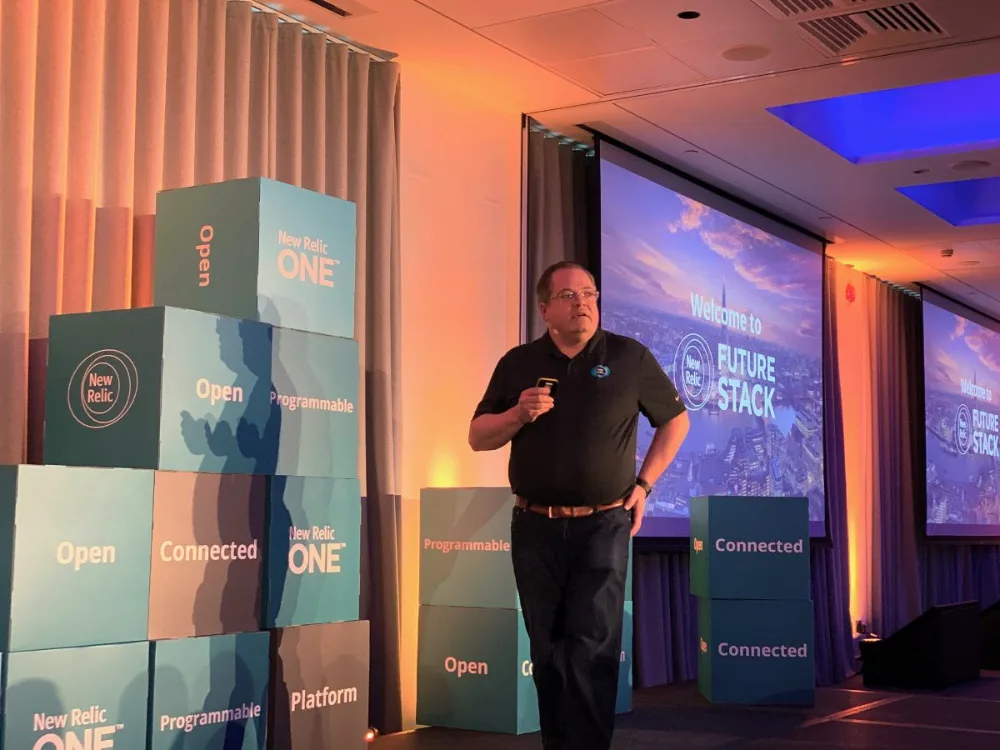
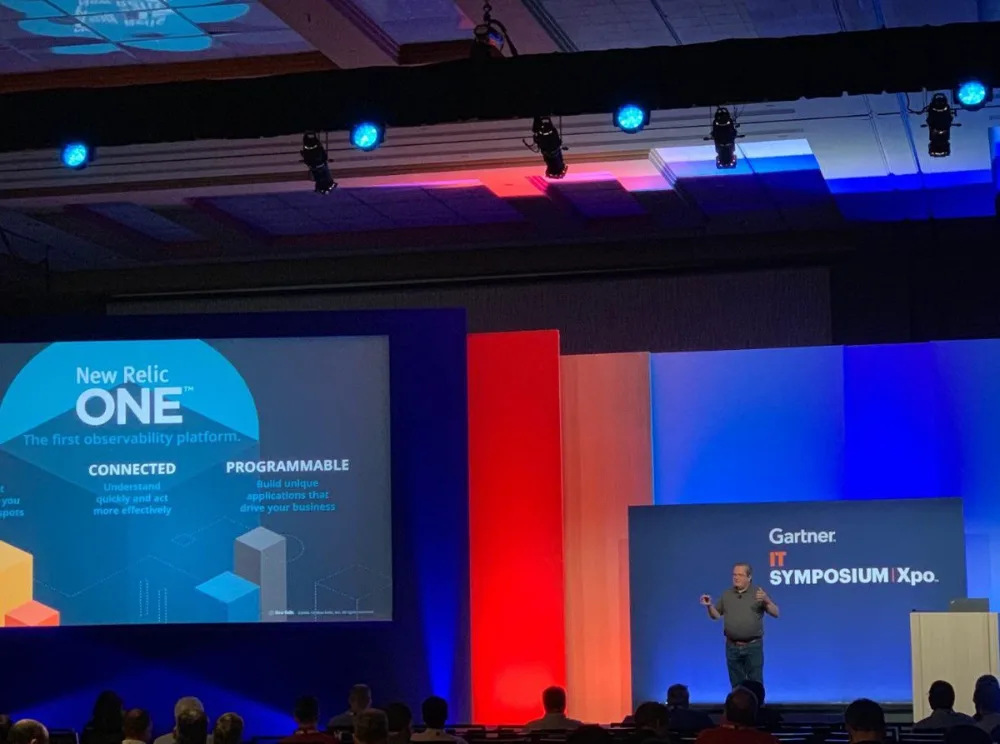

From leaders I have coached and led.
“Working with Ken is genuinely trajectory changing. He brings a wealth of real world experience, having truly been there and done that, and offers the kind of straightforward, no nonsense guidance that’s increasingly hard to find.
Ken isn’t interested in telling you what you want to hear. He challenges your thinking, holds you accountable to results, and holds himself to the same high standards. His investment in your success is genuine, and it shows.
I’ve often described working with Ken as being shot out of a cannon. The clarity, confidence, and momentum he helps create can fundamentally change the direction of your career.
I’m incredibly grateful for his mentorship and couldn’t recommend him more highly to anyone serious about growing as a leader.”
“Ken ensures everyone feels heard and has mentored us through one-on-ones.”
“Ken listens, mentors and is always there to help.”
“...knowledge and experience to lead a team through challenging situations and put process and procedure in place to prevent in the future, but he has one of the best approaches to ongoing communication and planning that I have had the pleasure to work with.”
What it costs, in a search or not.
In an active search: $995, paid once
The first 45-minute call is free, and you will leave it with a practical next step whether or not we work together. I take on a small number of career clients at a time: executives and rising leaders I expect to work with for years, not only through this search. If we both see it that way and I have an opening, career coaching is $995, paid once. That covers calls every other week, extra calls to prepare for each interview, and full access to me in between, until you are ready. After you land, I can help you make the case for your new employer to invest in your development through leadership coaching.
Ongoing executive and career coaching, paying for it yourself: $500 a month
Start with the free call. We work on the problem in front of you, and you keep what we figure out whether or not we go further. I work one on one with every client, so I take only a few leaders at this price. If it is a fit and I have an opening, it is $500 a month: calls every other week and full access to me between them.
If your company is paying
Coaching through your company is priced by company size and seat, with a weekly meeting: see executive coaching for women in tech.
The ones women in tech ask about their careers.
What does a career coach for women in tech do?
A career coach for women in tech helps you decide what is next and get read at the level you have earned, whether you stay or move. If you stay, that is the case for the promotion: who decides, what they have seen, who sponsors you. If you move, it is your level, your story, recruiters and interviews. I come at both from the deciding side: I have hired thousands of people and held VP of Engineering, CTO, CPO, COO and CEO seats.
Do I have to be looking for a new job?
No. Many of the women I talk with are not in a search. They want the next level where they are, a plan for the next two or three years, or an honest read on whether to stay. If a search starts later, you are already prepared for it.
Should I stay and push for the promotion, or leave?
It turns on something you can find out: whether the people who decide can see you in the next seat. We test that directly before you spend a year hoping. If the answer is yes, we build the case. If it is no, or it stays vague, you have your answer, and you plan the move while you are still employed and choosing.
Why do recruiters keep offering me roles below my level?
Usually because the profile describes the work and not the seat. A list of tools and certificates reads as the engineer who built the system. An internal title that means something inside your company means nothing outside it. And a move that grew your scope can look like a step down on paper. We rewrite the headline and the summary so a recruiter can tell at a glance what you lead, then drop what attracts the wrong roles.
Should I put the title I want in my LinkedIn headline?
You do not need to claim a title that does not feel true to you. The headline has to make the level obvious without it: what you lead, the kind of company, the scale. A reader should not have to work out whether you are an individual contributor or the person who ran the platform team.
If I do interview, how do I handle deep technical questions for a leadership role?
Answer the details you know, then draw the line between the decisions you made and the ones your engineers owned. Do not guess at an implementation you did not own. Before you go deep, ask what the role means by hands-on: architecture and technical judgment are a different expectation from committing production code. If the panel wants only the second, it may not be the leadership role you were told it was.
Do I need a career coach or an executive coach?
If the question is the path (which seat next, here or elsewhere, and how you get read for it), that is career coaching. If the question is how you lead in the seat you hold, that is executive coaching. Many women in tech need both in the same quarter, and I do both. The executive side is on the executive coaching for women in tech page.
Can I work with you while I am employed?
Yes. Most of the leaders I work with are employed, and many are not planning to leave. If a search is part of it, it stays confidential.
Will you write my resume and LinkedIn profile?
We can review your resume and LinkedIn positioning together. You make the edits; the coaching helps you decide what to communicate and how to support it with your experience.
What is the 70/30 rule in coaching?
A rule of thumb: the coach should be listening around seventy percent of the time and speaking around thirty. It is not a standard, but it is a fair thing to watch for in the first call.
Is career coaching worth it?
Worth it when the measure is agreed before the work starts, and that is how I run it. We name what success looks like on the first calls (the promotion, the level, the offer), then hold the work against it. And if we cannot name a change worth the fee, I will tell you that on the discovery call.
How much does career coaching for women in tech cost?
It depends on whether you are in an active search. If you are, career coaching is $995, paid once: calls every other week, extra calls to prepare for each interview, and full access to me in between, until you are ready. If you are not, ongoing executive and career coaching is $500 a month when you are paying for it yourself: calls every other week and full access to me between them. I take on a small number of clients at a time at these prices, so we both decide on the free 45-minute call.
Do I have to qualify?
We both decide on the free call. I work one on one with a few leaders at a time, so while we work on your problem I am listening for three things: you want to grow, not only to land this role; you will do the work between sessions; and yours is a career I expect to be part of as it advances. If I do not think I can help, I will say so on the call and point you somewhere better.
Can a man coach a woman in tech on her career?
That is yours to judge, and the first call is where you judge it. What I bring is the other side of the table. Most of the people deciding who gets the next seat in tech are still men, and I have been one of them. I have been the executive in the meeting and the CEO the room answers to, so I can tell you how the people in those chairs are reading you and what changes it. I will not tell you I have lived what you have lived. I have watched it: a woman raises the best idea in the room and someone talks over her. If you would rather work with a woman coach, that is a good reason. And if I think a woman coach would serve you better, I will tell you.
Will you push back?
Yes, where a mentor would nod. The one objective I hold is the goal you named when we started, so when a plan, a hire or a promise to the CEO does not square with it I say so, in the room, with my reasoning. You still own the decision.
Pages and articles that go deeper.
Start with a short note.
A short note is enough: where you sit, and what is on your desk. The level, the promotion, the profile, the offer. I read every note myself. If you would rather talk, book a discovery call.
Or reach me directly:
(888) 293-8670
ken@kengavranovic.com