An executive coach for women in tech who has held the engineering, product and CEO seats.
I coach women leaders in tech: directors, VPs and executives in engineering, product, data and go-to-market. The work is the move from being the strongest technical person in the room to being read as the one who leads: the politics, the presence, your level and the next seat.
I was the VP of Engineering at Cox Automotive through a cloud and DevOps transformation across more than 1,000 engineers. I also ran product and engineering as EVP and GM at New Relic, growing a $300M business to $500M, and before that I founded Interland, the company that became Web.com, and took it to a Nasdaq IPO as CEO. I started as co-founder and CTO of WIPC.NET in 1995.
So I coach from both sides of the table: the technical leader making the case, and the executive deciding who gets the bigger seat.
I am also an ICF and CEC certified coach. Since 2021 I have coached over a hundred executives and founders.

Common things we work on with women leaders in tech.
- You are strong technically, and the feedback is still to show more strategic thinking.
- You raised the idea. Ten minutes later it had someone else's name on it.
- You know the detail cold, you go into it, and you can feel the room drift.
- A manager or a peer is in the way of your next move, and the facts alone are not winning it.
- Recruiters keep bringing you roles a level below the one you hold.
- You describe your scope a size smaller than it is, because the full version does not sound like you.
- You are often the only woman in the meeting.
- You just took the bigger seat, and success in the first 90 days has not been defined.
- You want the VP or C-level seat, and you are not sure the path you are on leads to it.
None of it is a gap in your technical ability.
Ken Gavranovic, AGS, LLC
A practical, candid thought partner who has held the seat.
Founder and CEO through a Nasdaq IPO. EVP at New Relic, VP at Cox Automotive, COO in a VC-backed turnaround. 35+ M&A transactions, 18 exits.
ICF Certified Coach and Certified Executive Coach (CEC). In practice since 2021.
BS in Psychology, Summa Cum Laude. Member, APA, ACA and LPCA.
Why I built this page.
Over the years I flew into a lot of engineering organizations. More than once I sat in a meeting where a woman on the team raised a really great idea, someone talked over her, and I could see she did not know how to get her voice back in the room. Helping with that became a personal passion. I have two daughters, and I know how difficult it can be.
A technical leader who grows up through the work has to learn the political part and the positioning. I did. In a field that is still mostly men, you are learning it with one more thing to handle on top.
Women leaders in tech whose work is ahead of how the organization reads them.
This is for women in leadership roles in technology, from first-time directors to women executives. Most are in one of four places: the director or senior manager who is ready for VP and has not been given the seat; the VP or head of engineering, product, data or security who has the scope and wants the place at the executive table; the leader in a regulated industry (a bank, an insurer, a health system) where technology answers to the business; and the executive who has just taken a bigger seat at a new company and has 90 days to show they made the right choice.
Some are sponsored by the company. Some pay for it themselves because they want the conversation to be theirs. If you would be paying for it yourself, say so on the call.
Why the path to the next level is harder to read than the work.
Readiness gets scored differently. In a survey of 884 C-level and next-generation leaders, nearly 70% of the men said they had the skills and experience to do their manager's job if the manager left. 50% of the women said the same. The search firm that ran it described the women as underestimating themselves.1
Support changes the result. A 2025 study of more than 120 companies and 9,000 employees found women, for the first time, less interested in being promoted than men. Its next finding matters more: when women get the same career support men do, “this gap in ambition to advance falls away.” What holds women back, in its words, is less sponsorship and less manager advocacy.2
A lot of pages will tell you the problem is imposter syndrome. Those two findings say something more specific. The gap is not ability, and it is not ambition. It is how readiness gets read, by you and by the people who decide, and how much sponsorship stands behind you when they do. Both can be worked on.
What executive coaching for women in tech works on.
The work is practical. Each piece starts from a real situation on your calendar.
Office politics, mapped on purpose
Corporate life can look a lot like Survivor: you build your alliances on purpose. Who supports you, who does not, and who sits in between. Who has more influence than your manager. Who might feel threatened by your expertise, which we treat as a possibility to test, not a fact. We write the map down, then decide which relationships to strengthen, where a sponsor or an advocate is missing, and which relationships only need to get to neutral. I have hired thousands of people across the globe in my career, and I have sat on the deciding side of the table you are trying to read.
Executive presence that starts with the outcome
Before a presentation or a hard conversation, two questions: what matters to the other person, and what do you want them left thinking, understanding or deciding? Leadership presence follows from the answer. At New Relic I led a 450-person product and engineering organization, presented to the board and ran the customer advisory board, and I have been the CEO reading the slide.
The detail: when to go in, and when to come back out
Your technical depth is a strength. You do not need to diminish it. The work is choosing the level of detail, the pace and the response for the audience, and leaving room for questions. I started writing code at 10, became an engineer, and had to learn the same thing.
Being heard, and getting the credit
What to do in the meeting when you are talked over, and what to set up before the meeting so the idea is already known as yours: visibility with the senior leaders who decide, built on purpose. We practice the actual sentences.
“He consistently communicates that as a team we will always execute on the best available idea, no matter where or who the idea comes from.”
A manager who is in your way
A manager who blocks a move, takes the credit or tells a different story about you in the review room. We start from their chair: how does your success, or your leaving, look from there? Then the plan: where getting to neutral reduces the friction, who else needs to know your work firsthand, and when it is time to go.
Your level, your story and the recruiter
If the market keeps reading you a level low, the story is usually part of it. We rewrite it so a recruiter can tell at a glance what you lead, what you have owned and what it did for the business. Then interview practice until you answer the question behind the question. For more, see the career coach for women in tech page and executive interview coaching.
The first 90 days of the bigger seat
Define success beyond the deliverables. Agree on what you are delivering, then ask the people it is for: if this did what you needed, how would we know? I have started in the CEO, COO, CPO and VP of Engineering seats, and the first 90 days set how the organization reads you.
VP, CTO or CPO: the next level, chosen on purpose
Which seat you want, and whether the company you are in will give it to you. I have held VP of Engineering, CTO, CPO, COO and CEO seats, so we can look at each from the inside. The seat pages go deeper: VP of Engineering, Director of Engineering, Chief Product Officer.
Why a coach who has held the seats around yours.
The hardest problems on this page are not technical. They live between you and the people who read your work: a manager, a peer in product or sales, the executive team, a recruiter.
Most executive coaches have been near the room. I was in the room, driving: a startup from zero to a Nasdaq IPO, New Relic from $300M to $500M, and a transformation inside an 80-year-old enterprise at Cox Automotive with more than 1,000 engineers. I have been the engineer with the idea, the executive presenting it and the CEO deciding on it. A decade as an investor and board member across 35+ deals and 18 exits showed me how a board reads the people in front of it. So when you describe the meeting, I can tell you how it looked from the other chairs.
I am not going to tell you to turn your technical depth down, and I am not going to hand you a script written for someone else. This is coaching for the job, from someone who has done the job. It is not therapy.
The seats, not the theory
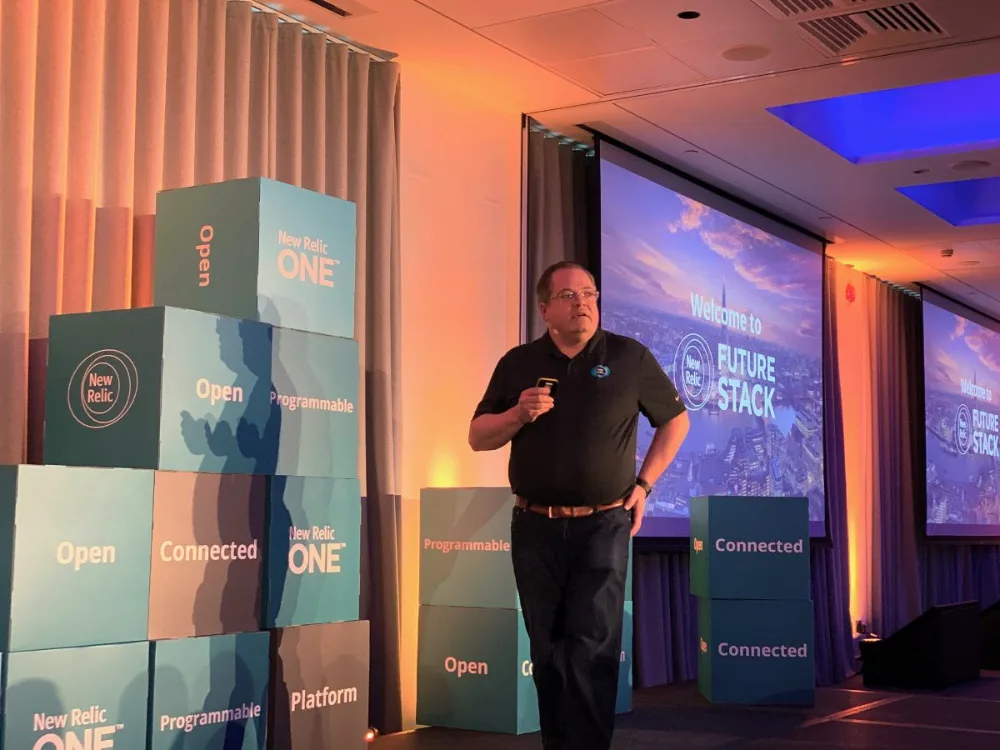
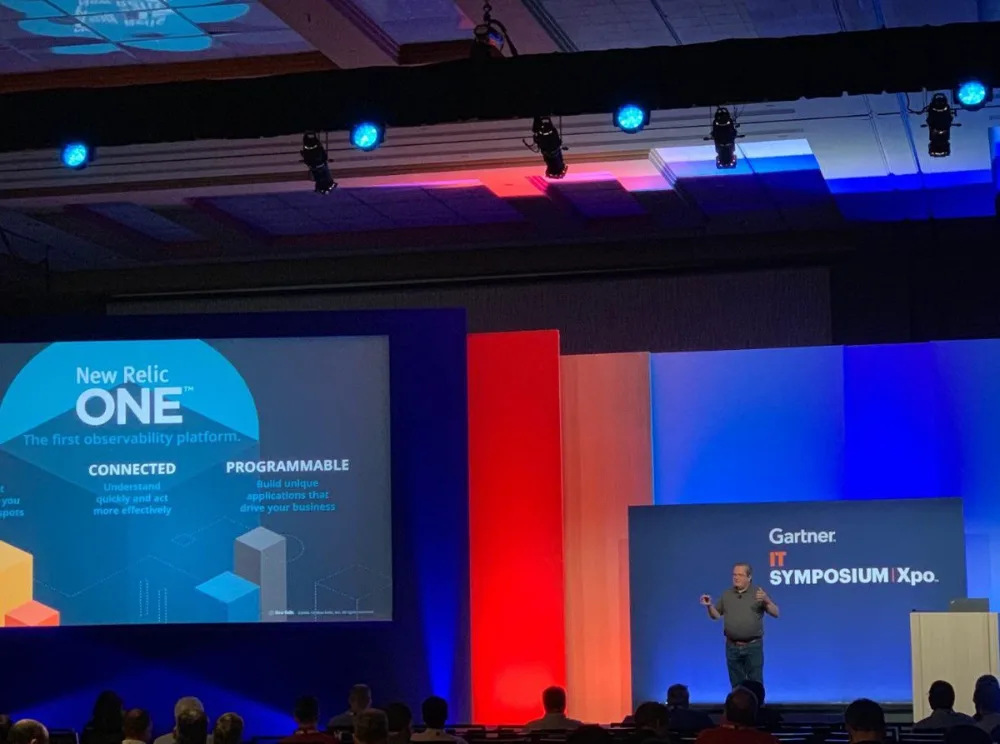

From leaders I have coached and led.
“Working with Ken is genuinely trajectory changing. He brings a wealth of real world experience, having truly been there and done that, and offers the kind of straightforward, no nonsense guidance that’s increasingly hard to find.
Ken isn’t interested in telling you what you want to hear. He challenges your thinking, holds you accountable to results, and holds himself to the same high standards. His investment in your success is genuine, and it shows.
I’ve often described working with Ken as being shot out of a cannon. The clarity, confidence, and momentum he helps create can fundamentally change the direction of your career.
I’m incredibly grateful for his mentorship and couldn’t recommend him more highly to anyone serious about growing as a leader.”
“Ken ensures everyone feels heard and has mentored us through one-on-ones.”
“Ken listens, mentors and is always there to help.”
“...knowledge and experience to lead a team through challenging situations and put process and procedure in place to prevent in the future, but he has one of the best approaches to ongoing communication and planning that I have had the pleasure to work with.”
Four steps, no mystery.
Discovery call. Forty-five minutes on video, no pitch: what is actually going on, and whether I am the right person for it.
Calibration. We agree on what success looks like and how we will both know, before the work starts; when the company is paying, its goals are agreed up front and in writing. A 360 review or stakeholder interviews are optional, at no extra cost; when one would help, we run it first. Otherwise the calls start.
Standing calls. Weekly while needed (every other week for self-pay), then the cadence we agree on in calibration, usually every other week or monthly, on video or in person. At ninety days we review against the calibration goals and reset the cadence.
Access between calls. The hard things do not wait for the calendar. For more, see the executive coaching page, or read six questions to ask when choosing any coach.
What it costs, whoever is paying.
Paying for it yourself: $500 a month
Start with the free call. We work on the problem in front of you, and you keep what we figure out whether or not we go further. I work one on one with every client, so I take only a few leaders at this price. If it is a fit and I have an opening, it is $500 a month: calls every other week and full access to me between them.
Through your company: from $1,500 a month
Start with the free call. We work on the problem in front of you, whether or not we go further. My prices are set by the size of the company and the seat: $1,500 a month up to $50M in revenue; above that, $2,500 a month for directors and vice presidents and $3,500 a month for the C-suite; and $18,000 a quarter for a C-suite leader at an enterprise or public company. The full table is on the executive coaching page. I work one on one with a few leaders at a time, so I start a new engagement when it is a fit and I have an opening. Each one includes a weekly 60-minute meeting and full access to me by phone, text and email between meetings. We start by agreeing on goals for the first 90 days, with your sponsor. If you want it, I then meet individually with members of your leadership team to understand their perspectives and where I can help most. It is optional and included.
The ones women leaders in tech actually ask.
What does an executive coach for women in tech do?
An executive coach for women in tech helps a technical leader get read as an executive. In practice that is five things: the map of the people who decide your next move, executive presence that starts with the outcome you want, the right level of detail for the audience, the story that sets your level with recruiters and executives, and the plan for the seat you want next. It is tied to your calendar: the meeting on Tuesday, the review next month. It is not therapy and it is not a course.
Who is the best executive coach for women in tech?
The one who has operated at the executive level in technology and will still make you do the thinking. Look for three things: tech-specific fluency, meaning the coach understands engineering, product and go-to-market organizations; clarity on whether you need executive coaching or career coaching; and a recognized coaching credential. Then a first call where the coach pushes back instead of agreeing. I have held VP of Engineering, CTO, CPO, COO and CEO seats, and I am ICF and CEC certified. Whether I am the right coach for you is yours to judge on that call.
Can a man coach a woman leader in tech well?
That is yours to judge, and the first call is where you judge it. What I bring is the other side of the table. Most of the people deciding who gets the next seat in tech are still men, and I have been one of them. I have been the executive in the meeting and the CEO the room answers to, so I can tell you how the people in those chairs are reading you and what changes it. I will not tell you I have lived what you have lived. I have watched it: a woman raises the best idea in the room and someone talks over her. If you would rather work with a woman coach, that is a good reason. And if I think a woman coach would serve you better, I will tell you.
What is the difference between executive coaching and leadership coaching?
The words overlap. Executive coaching usually means one to one work with a senior leader on how she leads, decides and is read at the top of the organization. Leadership coaching is the broader term, often used for managers and for programs run across a group. For a director or VP the work is the same. Leadership coaching for women in tech, as I do it, is one to one and tied to your seat. It is coaching for women leaders one at a time, not a women's leadership cohort.
What is the difference between a mentor, a sponsor and a coach?
A mentor gives you advice. A sponsor uses their standing for you when the seat is being decided. A coach works with you on how you lead, decide and are read, and stays with you through the change.
Executive coach or career coach for women in tech: which do I need?
If the question is how you lead in the seat you have, that is executive coaching. If the question is the path (which seat next, here or somewhere else, and how you get read for it), that is career coaching. You do not have to be in a job search for either. For many women in tech it is both at once. I do both, and we decide the mix in the first conversation. The career side is on the career coach for women in tech page.
How do I get promoted to VP, or to the C-suite, from where I am?
Technical excellence gets you considered for the promotion. Three more things get you chosen. People with more influence than your manager know your work firsthand. The executives can describe what you lead in business terms, because you gave them the words. And you have decided which seat you want, so you are not waiting to be picked. If the company you are in will not give you the seat, we find that out early and plan the move.
What is executive presence for a technical leader?
It is not a louder voice or a different personality. It starts before the meeting: what matters to the people in the room, and what do you want them left thinking, understanding or deciding? The level of detail, the pace and how you take a challenge follow from that. A technical leader usually has more substance than the room can absorb. Presence is choosing what to leave out, and leaving room for the question. For more, see the executive presence coaching page.
What do I do when I am talked over, or my idea is credited to someone else?
In the moment, take it back by name and without heat: restate the idea as yours and say what you need decided. The larger fix happens before the meeting. The people who matter have already heard the idea from you, and your name is on it in quiet ways: it went out in writing first, and one ally knows to say whose it is. Then if someone picks it up, it looks like exactly what it is. If it keeps happening with the same person, that is a relationship to map, not a moment to win.
My manager is blocking my next move. What now?
First, see it from their chair. If you leave, how does that look for them? That does not excuse it, but it tells you what they will do next. Then the plan has three parts: reduce the friction so the relationship gets to neutral, make sure the people above and beside your manager know your work directly, and build the story for the next role in case the answer here stays no. You decide how long to give it.
What does it cost, and can I pay for it myself?
Most companies pay for it as leadership development, and you can pay for it yourself. Published US ranges run $1,000 to $10,000 a month on retainer, and $800 to $3,500 an hour at the executive level; my cost guide breaks it down by level, with who usually pays and how I set fees: executive coaching costs. It starts with a free 45-minute call, and we work on your problem on that call whether or not we go further. If you are paying for it yourself, it is $500 a month: calls every other week and full access to me between them. I work one on one with every client, so I take only a few leaders at this price. If your company is paying, my prices are set by the size of the company and the seat: $1,500 a month up to $50M in revenue; above that, $2,500 a month for directors and vice presidents and $3,500 a month for the C-suite; and $18,000 a quarter for a C-suite leader at an enterprise or public company. That covers a weekly 60-minute meeting, full access to me by phone, text and email between meetings, and, if you want them, individual meetings with members of your leadership team at the start. We set goals 90 days at a time and review them together. How long we work together depends on what you are taking on, so it runs month to month.
How often do we meet, and is it virtual?
Standing calls on video. When your company is paying, weekly while needed and then the cadence we agree on. When you are paying for it yourself, every other week. Either way you have access to me between calls when something does not wait. I am based in Alpharetta, Georgia, and work with leaders across the United States, in person when the engagement calls for it.
Will you push back?
Yes, where a mentor would nod. The one objective I hold is the goal you named when we started, so when a plan, a hire or a promise to the CEO does not square with it I say so, in the room, with my reasoning. You still own the decision.
Pages and articles that go deeper.
Start with a short note.
A short note is enough: where you sit, and what is on your desk. The manager, the meeting, the level, the next seat. I read every note myself. If you would rather talk, book a discovery call.
Or reach me directly:
(888) 293-8670
ken@kengavranovic.com